SELF-RELIANCE I
Former Firefighter & Survival Enthusias
Share this story
An urban survival prep list should focus on self-reliance in a densely populated area, where you will face unique challenges like a lack of natural resources, a dense population, and dependence on public services. Your preparations should be organized into a go-bag for quick evacuations and a shelter-in-place kit for staying at home.
Essential go-bag items:
This kit should be easy to grab and sufficient for at least 72 hours.
Water and filtration
Water bottles: Store a few sealed bottles of water.
Water filter or purification tablets: For making found water sources safe to drink. Collapsible water container: To carry purified water
Food
Non-perishable, high-calorie food: Energy bars, dried fruit, jerky, or freeze-dried meals that require minimal preparation.
Manual can opener: If packing canned food.
Utensils: A simple spork or mess kit.
Medical and hygiene
First-aid kit: Include bandages, antiseptic wipes, antibiotic ointment, and any essential personal medications.
Sanitation supplies: Hand sanitizer, toilet paper, moist towelettes, and garbage bags for waste. Feminine hygiene products.
Tools and communication
Multi-tool: A versatile tool with pliers, a knife, and screwdrivers.
Flashlight or headlamp: With extra batteries or a hand-crank option.
Battery-powered or hand-crank radio: A NOAA Weather Radio is ideal for emergency broadcasts.
Cell phone and power bank: Portable power to charge your devices.
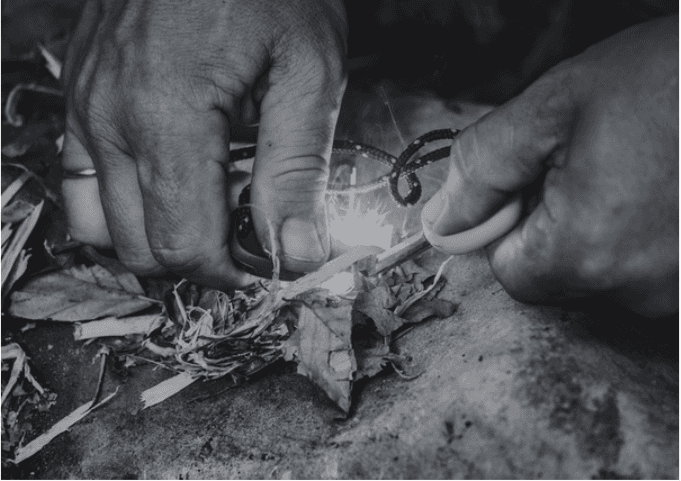
Lighter or waterproof matches: For fire starting if needed.
Duct tape and cordage (paracord): For repairs and building.