SELF-RELIANCE II
Former Firefighter & Survival Enthusias
Share this story
Clothing and shelter
Emergency blanket: A lightweight, reflective "space blanket"
Appropriate clothing: A change of clothes suitable for the climate, rain gear, and sturdy walking shoes.
Important documents and money
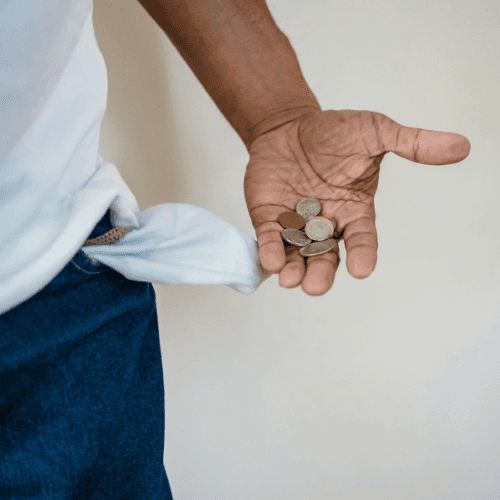
Cash: Include small bills and a roll of quarters. Electronic payment systems could be down.
Copies of important documents: Store these in a waterproof bag and on a USB drive. Include ID, insurance policies, and emergency contacts.
Navigation and awareness
Local paper maps: GPS may be unavailable.
Whistle: For signaling for help.
Sunglasses: To protect your eyes and discreetly observe surroundings. Shelter-in-place kit for urban areas For longer-term issues like widespread power outages, focus on stockpiling for a period of weeks, not just days.
Water
Stored water: A two-week supply of water, with one gallon per person per day.
Water storage containers: Large, BPA-free containers for long-term storage. Knowledge of local resources: Know where fire hydrants or public water sources are located, in case you need to access and purify water.
Food
Long-term food storage: A multi-week supply of shelf-stable items, such as rice, beans, canned goods, and powdered milk.
Food storage containers: Use food-grade buckets with oxygen absorbers to increase shelf life.